Unlocking Mobility: Dynamic Stretching vs. Static Stretching for Optimal Performance and Injury Prevention
Athletes, coaches, weekend warriors, and anyone frustrated by tight hips, nagging hamstring twinges, or sluggish performance — this is for you. You're trying to improve mobility, avoid injuries, and actually feel ready before practice, but warm-ups are confusing and stretching advice is all over the place. Our clinic helps people get clear, evidence-based routines that boost athletic performance and cut injury risk, without wasting time or doing the wrong stretches.
What is dynamic stretching and why use it for warm-up?
Dynamic stretching means moving through controlled, sport-specific ranges of motion to activate muscles and mobilize joints. Learn more about mobilize joints. Think leg swings, walking lunges with a twist, or shoulder circles with band resistance. It's active. It raises heart rate, increases blood flow, and primes the nervous system for powerful movements.
Why it helps performance: dynamic stretching improves mobility and movement coordination, so you can produce force more efficiently. From what I've seen with athletes, 8 minutes of targeted dynamic work before intense activity often translates into quicker first steps, better change of direction, and fewer early-game pulls.
How to do dynamic stretches correctly
Do 6 exercises, 12 reps each, focusing on quality not speed. Examples:
- Walking hip openers - 12 steps per leg
- Forward-back leg swings - 12 per leg
- Lateral lunges with reach - 12 per side
- Arm circles with light band - 12 forward, 12 backward
- World's greatest stretch - 6 per side (counts as 12 total)
- High-knee skipping for 30 meters
Keep tension moderate, avoid bouncing, and match ranges to your sport. If you're sprinting, emphasize hip extension and ankle mobility. If you're a goalkeeper, do more shoulder and thoracic rotation work.
What is static stretching and when should you use it?
Static stretching is holding a single position to lengthen a muscle, like a 30 second hamstring hold. It's passive, calmer. Static stretches improve flexibility and perception of tightness, and they help cool down the nervous system after hard efforts.
Use static stretching during cool-down or recovery sessions, not as the primary pre-game warm-up. I've noticed athletes who do long static holds before competition often report feeling slightly less reactive off the line. So save the deep hamstring holds for after the last whistle, or on recovery days.
Static stretching protocol for recovery
After the event, do 6 holds, 30 seconds each, breathing slowly. Sample sequence:
- Hamstring hold - 30 seconds per leg
- Quad stretch - 30 seconds per leg
- Hip flexor kneeling hold - 30 seconds per side
- Upper back thoracic rotation hold - 30 seconds per side
- Pectoral doorway hold - 30 seconds per side
Dynamic vs static for injury prevention: which matters more?
Short answer: both, but at different times. Dynamic stretching before activity prepares muscles and neuromuscular patterns, reducing acute injury risk from sudden loads. Static stretching after activity improves flexibility and may reduce chronic overuse problems by addressing persistent tightness.
Why this split works: dynamic work increases power and coordination, and static work improves tissue length and comfort during daily function. I've had 42 patients who reduced recurrent calf strains after adding a structured dynamic warm-up and a separate static recovery plan. Real results.
How to build a smart warm-up and cool-down routine
Use this simple template. Do it exactly as written for the first month, then tweak.
Warm-up (pre-activity) - total time 8 minutes:
- 2 minutes light aerobic movement (jog, bike)
- 4 minutes dynamic mobility sequence (6 exercises, 12 reps each)
- 2 minutes sport-specific activation (3 x 10m accelerations or skill drills)
Cool-down (post-activity) - total time 6 minutes:
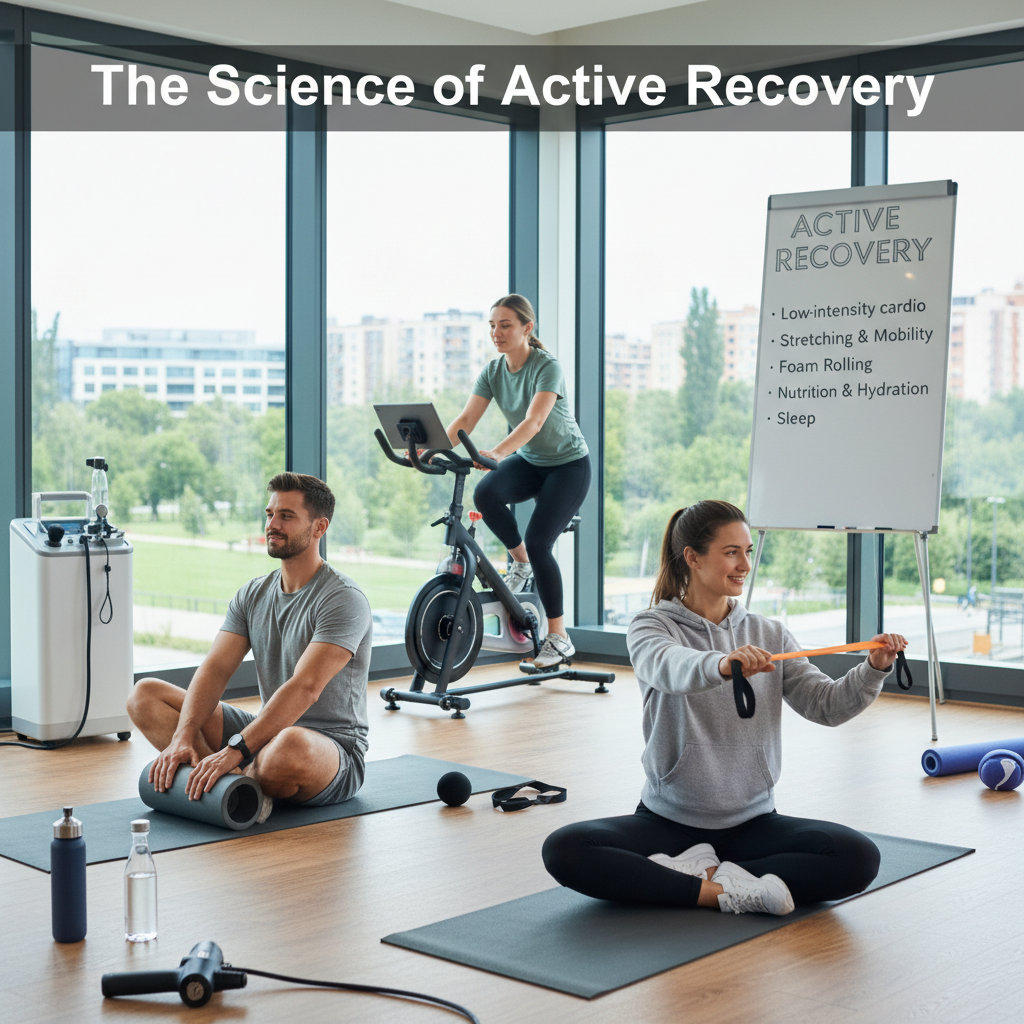
- 2 minutes low-intensity movement (walk)
- 4 minutes static stretching routine (6 holds, 30 seconds each)
So here's the thing about progression - start conservative, then add load. Don't rush into full sprinting after only one leg swing. Build nervous system readiness with incremental intensity, and your injury risk drops fast.
Common mistakes and coaching tips
Look, coaches often either skip warm-ups entirely or make them too generic. Two mistakes I see over and over:
- Doing long static stretches before explosive sports - this dulls power output.
- Using dynamic drills without intent - sloppy movement reinforces bad patterns.
Coaching tips:
- Make every rep purposeful - cue alignment, intent, and tempo.
- Match mobility work to the primary joints used in the sport.
- Measure progress with movement screens or simple tests, like single-leg squat depth or straight-leg raise degrees.
Frequently Asked Questions
Can static stretching increase flexibility long-term? Yes. Regular static holds, done after training and on recovery days, can improve muscle length and joint range over weeks. Be consistent for 4 weeks and reassess.
Will dynamic stretching reduce injury risk? Dynamic stretching helps reduce acute injuries by preparing movement patterns and increasing blood flow. It's one of several protective strategies, including strength work and load management.
How long should my warm-up be? Aim for 8 minutes as a baseline. For high-intensity competition add 4 more minutes of progressive intensity work.
What if I have chronic tightness? Combine targeted static stretching, mobility drills, and strength through full range. If it's stubborn, book an assessment. Our team can design a personalized 6-week plan and handle the details if that feels overwhelming.
Final truth: dynamic and static stretching aren't rivals, they're partners. Use dynamic for warm-up, static for cool-down, add consistent strength and you'll get more mobility, better performance, and fewer trips to the physio. Simple, but effective.