Exploring the Benefits of Cold Plunge Therapy for Muscle Recovery and Well-being
For athletes, fitness enthusiasts, and anyone chasing faster muscle recovery and better mental health after hard workouts: you're tired of sore legs, mornings that feel like a truck hit you, and recovery routines that cost an arm and a leg. Cold plunge therapy and cryotherapy can speed repair, reduce inflammation, and boost well-being, and our team helps you apply them safely and effectively with evidence-backed protocols and real-world experience (no fluff, just practical steps).
What is cold plunge therapy and how does it differ from cryotherapy?
Cold plunge means submerging your body (or part of it) in cold water, usually between 8 and 15 degrees Celsius (46 to 59 degrees Fahrenheit). Cryotherapy often refers to whole-body chambers that use extremely cold air, typically between -110 and -160 degrees Celsius, for very short exposures (1 to 3 minutes).
So what's the practical difference? Cold plunge gives sustained hydrostatic pressure and direct cooling of muscle tissue. Cryotherapy gives a rapid, intense cooling stimulus without the water immersion effects. Both reduce inflammation and activate cold receptors, but they do it in slightly different ways, and the best choice depends on goals, access, and safety.
How does cold plunge help muscle recovery?
Short answer: it reduces inflammation, slows metabolic processes that cause delayed soreness, and improves perceived recovery so you can train again sooner. Learn more about perceived recovery and less soreness.
More specifically:
- Inflammation control - Cold narrows blood vessels, which lowers swelling and inflammatory signaling in damaged muscle tissue.
- Improved circulation after re-warming - When you exit the plunge, blood flow surges back in, carrying oxygen and nutrients that help repair tissue.
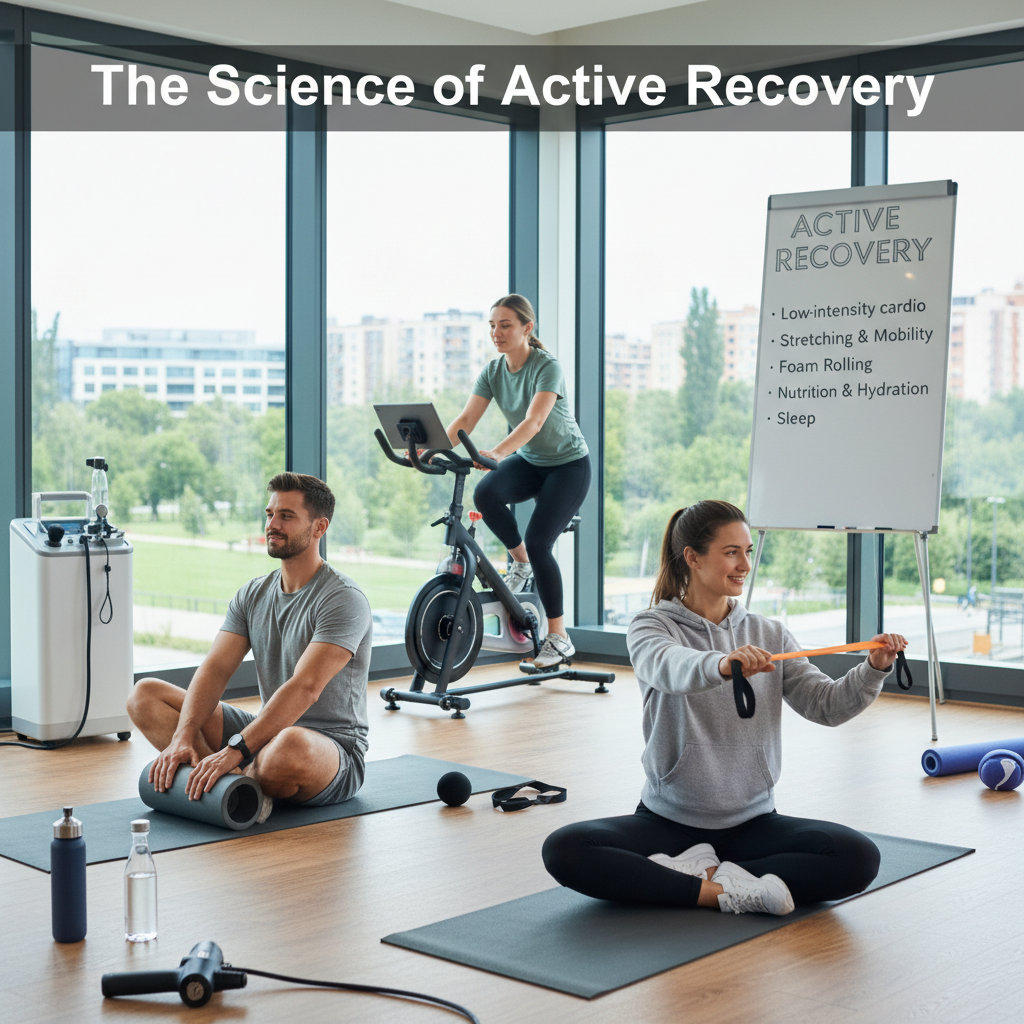
- Nervous system reset - Cold immersion stimulates the parasympathetic system (that calming branch), which lowers heart rate and helps you recover mentally and physically. Learn more about The Science of Active Recovery.
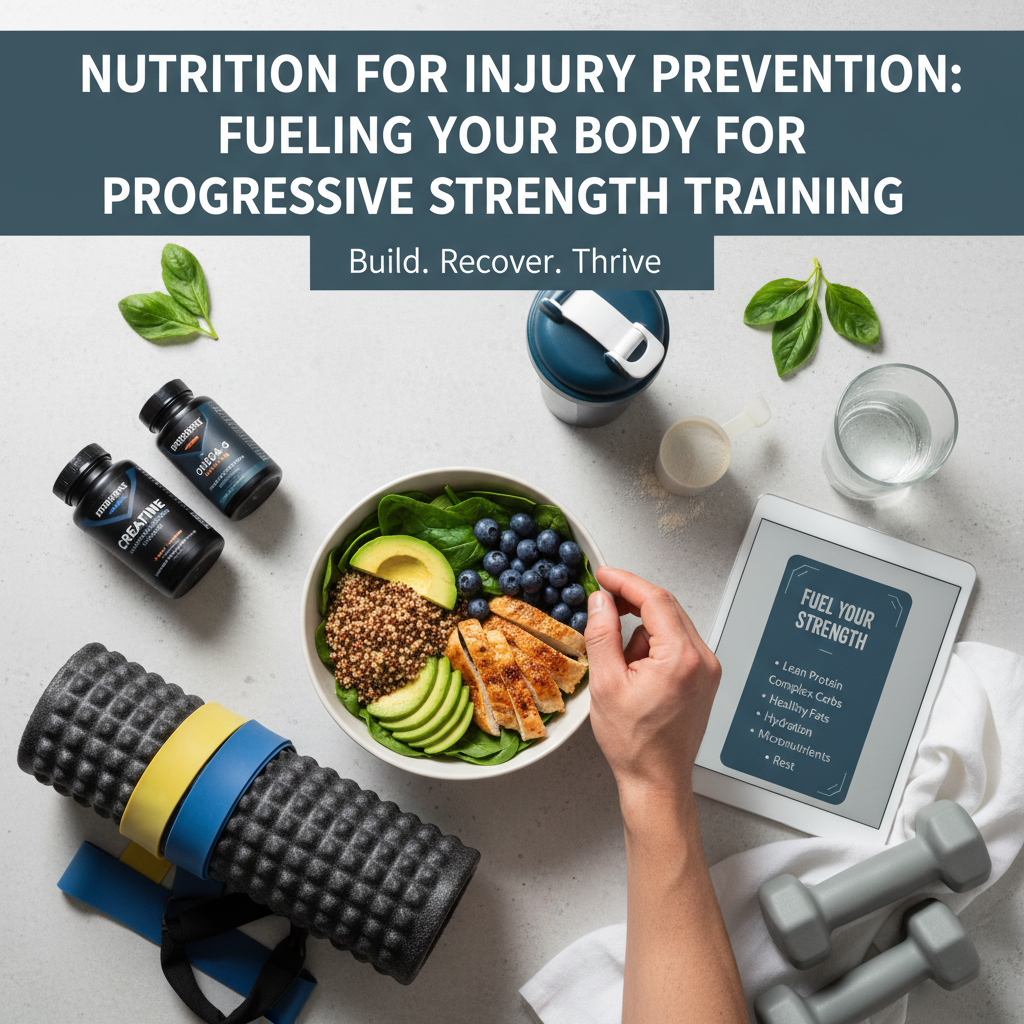
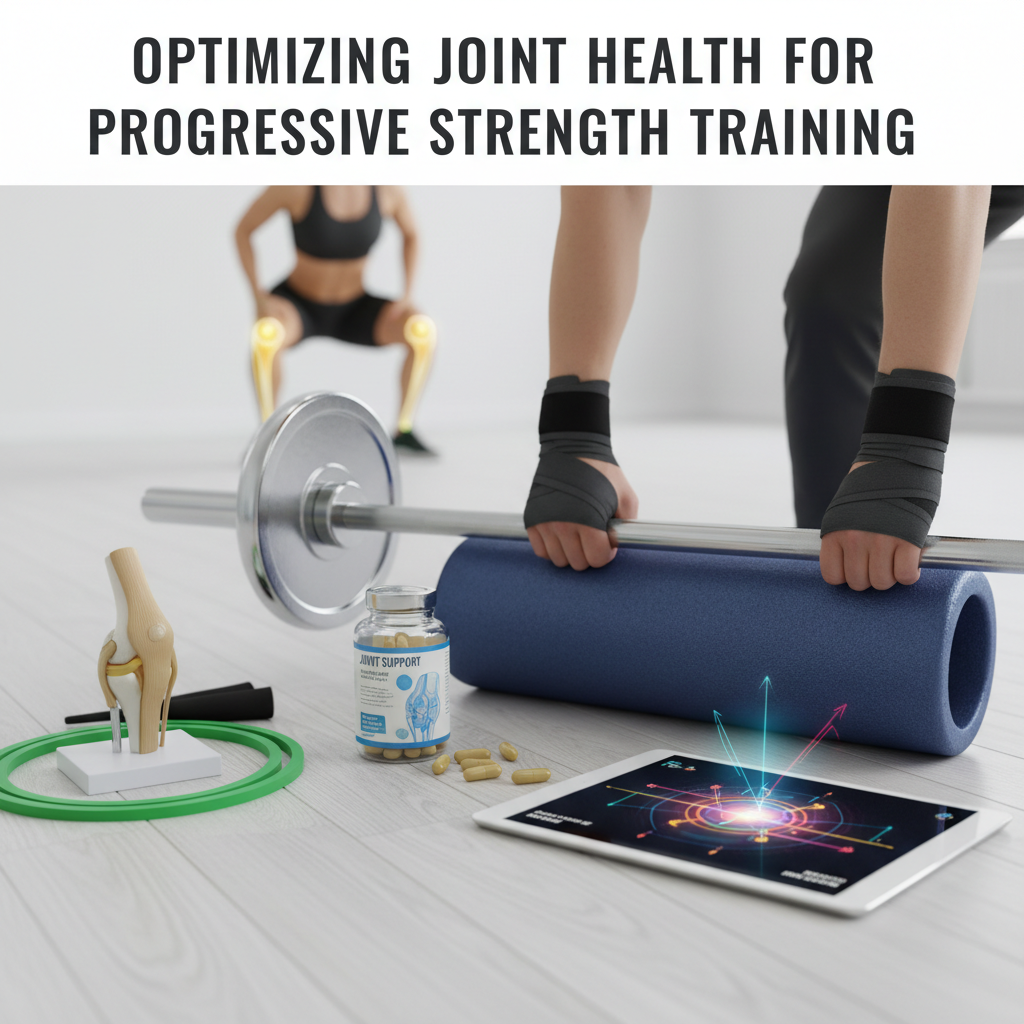
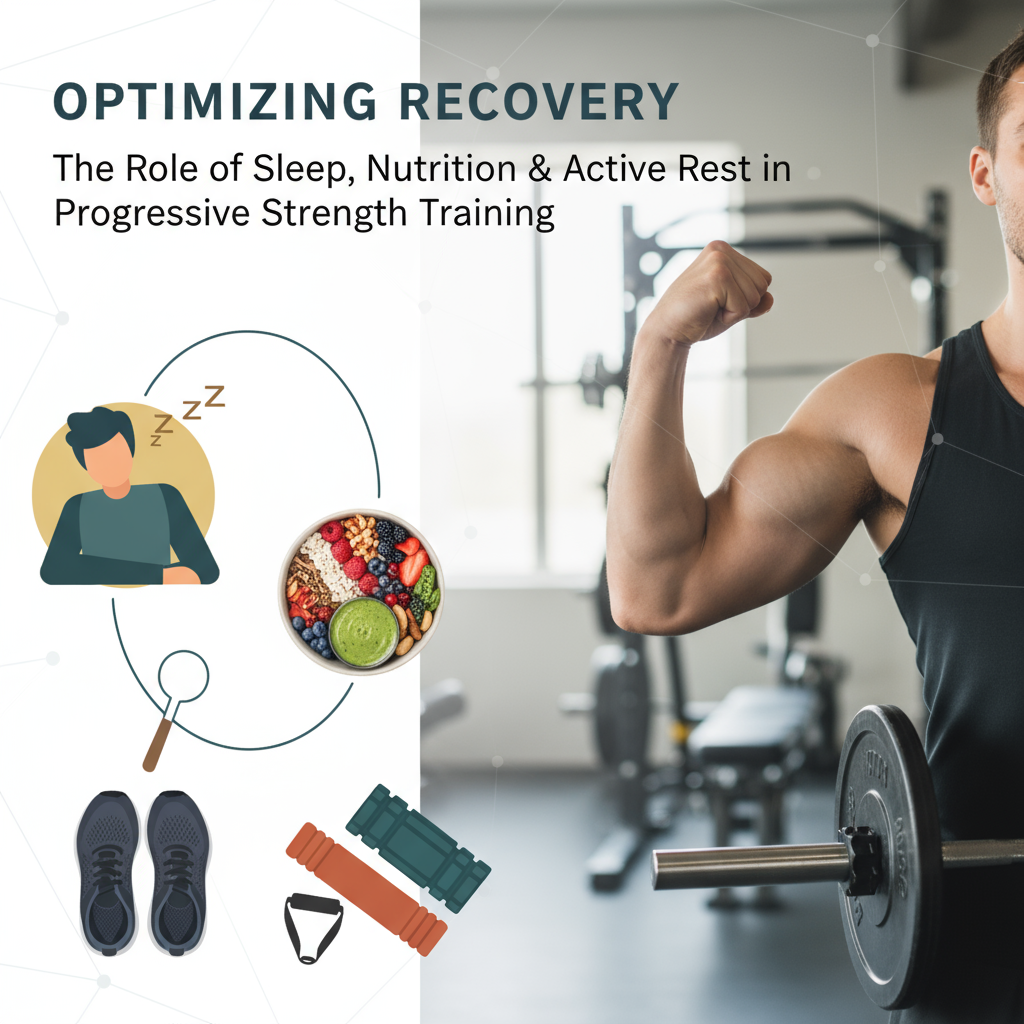
Cold plunge is just one piece of the puzzle; for comprehensive gains, remember to integrate cold therapy with other recovery modalities. Learn more about optimizing overall recovery.
Evidence and practical outcomes
I've noticed athletes reporting 24 to 48 hour reductions in soreness after consistent cold plunge use (3 sessions per week). Studies show improved muscle recovery markers and faster return to high-intensity training when cold immersion is used appropriately. That said, timing matters - more on that below.
Does cold plunge therapy improve athletic performance?
Yes and no. Cold plunge helps recovery, which indirectly supports better performance because you can train harder and more frequently. But using cold plunge immediately after strength sessions can blunt some long-term strength gains if done every time (that's the trade-off).
Use cold plunge for short-term performance boosts - like between competition rounds, after long endurance events, or during heavy training cycles where recovery trump's maximal adaptation. Avoid making it a daily immediate post-lift habit if your primary goal is to increase muscle size or absolute strength.
How to start a cold plunge routine for muscle recovery
Start simple. Here's a practical protocol that balances benefits and safety:
- Temperature: aim for 10 to 15 degrees Celsius (50 to 59 F) for general recovery. More intense protocols can go lower, but only with experience and medical clearance.
- Duration: 3 to 10 minutes. Beginners try 2 to 3 minutes and build up to 10 minutes over several sessions.
- Frequency: 2 to 4 times per week for training athletes; use daily short dips only if you tolerate it well and have a clear goal.
- Timing: For endurance events or tournament play, use immediately after exertion. For strength training where hypertrophy matters, delay cold plunge by 3 to 6 hours or use it on non-training days.
- Re-warm safely: dry off, layer clothing, and sip a warm drink. Don't jump into hot showers right away - let circulation normalize a bit first.
Safety considerations
Cold plunges are not risk-free. Don't do them if you have unstable heart disease, uncontrolled high blood pressure, an active infection, or severe cold-related conditions like Raynaud's disease. Pregnant people should consult their provider. Start with short exposures, monitor breath and comfort, and have someone nearby when you begin.
Cold plunge vs cryotherapy - which is better?
Neither is universally better. Pick based on goals, budget, and access.
- Choose cold plunge if you want hydrostatic pressure, lower cost over time, and a simple home setup.
- Choose cryotherapy if you need very brief exposures, dislike immersion, or want a clinic-based service with additional monitoring.
I've worked with athletes who alternate - cold plunge after long runs, cryotherapy before competitions for a quick nervous-system reset. It works like rotating tools in a toolbox.
Common mistakes and how to avoid them
- Doing ice baths after every strength session - that can blunt adaptation. Delay or reduce frequency when hypertrophy is the goal.
- Staying too long in very cold water - start short, increase slowly, and respect your limits.
- Using cold as a comfort-only tool - pair it with sleep, nutrition, and mobility work for real gains.
Look, cold plunge is a powerful recovery method but it's not magic. Use it smartly, monitor results, and adjust frequency based on soreness, sleep, and performance metrics.
Frequently Asked Questions
How long should I stay in a cold plunge after a workout?
Start with 2 to 3 minutes. Work up to 8 to 10 minutes if you tolerate it well and the water is in the 10 to 15 C range. For very cold water under 5 C, keep it under 3 minutes.
Will cold plunge reduce inflammation or just numb the pain?
Both. Cold reduces inflammatory signaling and swelling, and it also reduces pain perception by numbing nerve endings. So you get physiological and perceptual benefits.
Can cold plunge help my mental health?
Yes. Many people report improved mood and reduced anxiety after cold immersion, likely due to neurotransmitter changes and parasympathetic activation. I've seen stress markers drop in athletes who adopt regular, short cold plunges.
Is cryotherapy better than cold plunge for athletes?
Not necessarily. Cryotherapy is quicker and sometimes more comfortable for short exposures, but cold plunge gives added hydrostatic benefits and is cheaper to perform at home. Use whichever fits your schedule and goals.
What are the main risks and who should avoid cold plunges?
Risks include cold shock, hypothermia if exposed too long, and cardiovascular stress in vulnerable people. Avoid if you have uncontrolled heart disease, severe hypertension, or cold-related blood disorders. Always check with a clinician if you're unsure.
If this feels overwhelming or you want a tailored recovery plan, our team can design a cold plunge and cryotherapy routine matched to your sport, schedule, and health profile (we're happy to help you get started safely).