Beginner's Guide to Progressive Overload: Safely Increasing Strength and Muscle
This guide is for beginner lifters who want to get stronger and build muscle but feel stuck, confused by conflicting advice, or nervous about getting hurt. You're juggling work, life, and workouts, worried that pushing too hard will cause injury or that not pushing hard enough will stall progress. Our coaches break progressive overload into simple, safe steps you can follow today, with clear rules, demo checks, and a plan that scales as you get stronger.
What is progressive overload?
Progressive overload is the principle of gradually making your muscles and nervous system work harder so they adapt by getting stronger and bigger. Simple. Do more work than last time, consistently, and your body responds. This isn't about reckless heavy lifting, it's about steady, measurable increases in stress that the body can recover from. Learn more about progressive strength training programs.
Why progressive overload matters for strength training and muscle growth
Because strength training without progression is just maintenance. If you lift the same weight, same reps, same rest over weeks, your gains stall. Progressive overload forces adaptation, which leads to:
- Increased muscle growth through higher mechanical tension and metabolic stress
- Improved neurological efficiency - you'll lift cleaner, stronger
- Better long-term strength - which helps daily life and future workouts
How to apply progressive overload safely - a step-by-step plan for beginners
So here's the thing about progressing: it's not complicated, but it must be consistent. Follow these concrete rules. Learn more about injury prevention tactics.
-
Pick a baseline program - a simple beginner workout 3 days per week (full-body). Keep the main lifts: squat, hinge, push, pull.
-
Use a clear rep and set target. Aim for 3 sets of 10 reps on compound lifts (that's your target). If you hit every rep with good form, you're ready to increase.
-
Increase weight with small, fixed increments: add 2.5 pounds to upper body lifts and 5 pounds to lower body lifts when you complete every rep of the target across all sets. Why specific numbers? Because consistency beats guessing.
-
If you can't add weight, add reps. Add one extra rep to one set each session until you reach 12 total reps, then add weight and drop back to your 10 rep target.
-
Track everything. Write down weights, reps, how your technique felt. If a lift feels off two sessions in a row, don't force progression - troubleshoot form, mobility, or recovery first. Learn more about stalled progress.
Example progression (practical)
Week 1: Squat 3 sets of 10 @95 pounds. Week 2: Squat 3 sets of 10 @100 pounds if form is solid. If you hit 3x10@100, week 3 go to 105 pounds. If you fail a set, repeat the same weight next session until you hit 3x10.
Sample beginner workout using progressive overload
Try this as a starting template. Train Monday, Wednesday, Friday.
-
Workout A: Back squat 3x10, Bench press 3x10, Bent-over row 3x10, Plank 60 seconds
-
Workout B: Deadlift 3x8, Overhead press 3x10, Pull-up or lat pulldown 3x10, Farmer carry 2 x 60 seconds
Progress rule: if you complete every set and rep with good technique, add 2.5 pounds to presses and rows, 5 pounds to squats and deadlifts next session.
Injury prevention and technique tips
Getting stronger shouldn't mean getting hurt. Here's how to minimize risk.
- Warm up with 5 minutes of light cardio and 2 warm-up sets for each major lift (lighter weight, focus on movement).
- Prioritize technique over ego. If form breaks on set 2, stop. Reset. Do not chase numbers at the expense of joint health.
- Schedule one deload week after every 5 weeks of steady progression - reduce volume by 40 percent and keep intensity moderate. This helps tendons and joints recover.
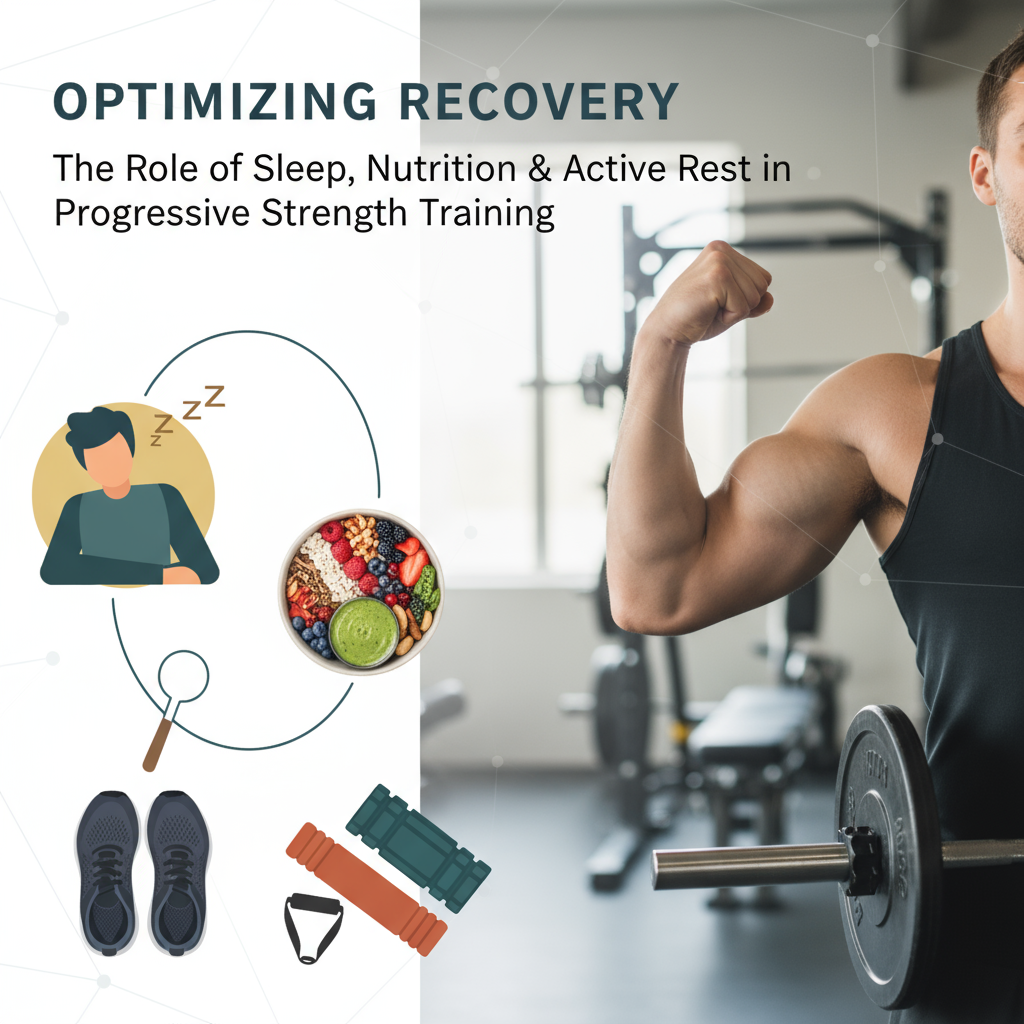
- Track recovery markers: sleep, mood, appetite, and joint pain. If two of these are off, back off progression for one session and reassess.
- Video your lifts. You'll catch technical flaws that you can't feel in the moment (I've noticed this helps 9 out of 10 clients fix posture issues).

Common mistakes beginners make
- Trying to increase weight every session without addressing technique. Slow down.
- Changing programs too often. Stick to the plan for 5 weeks before deciding it fails.
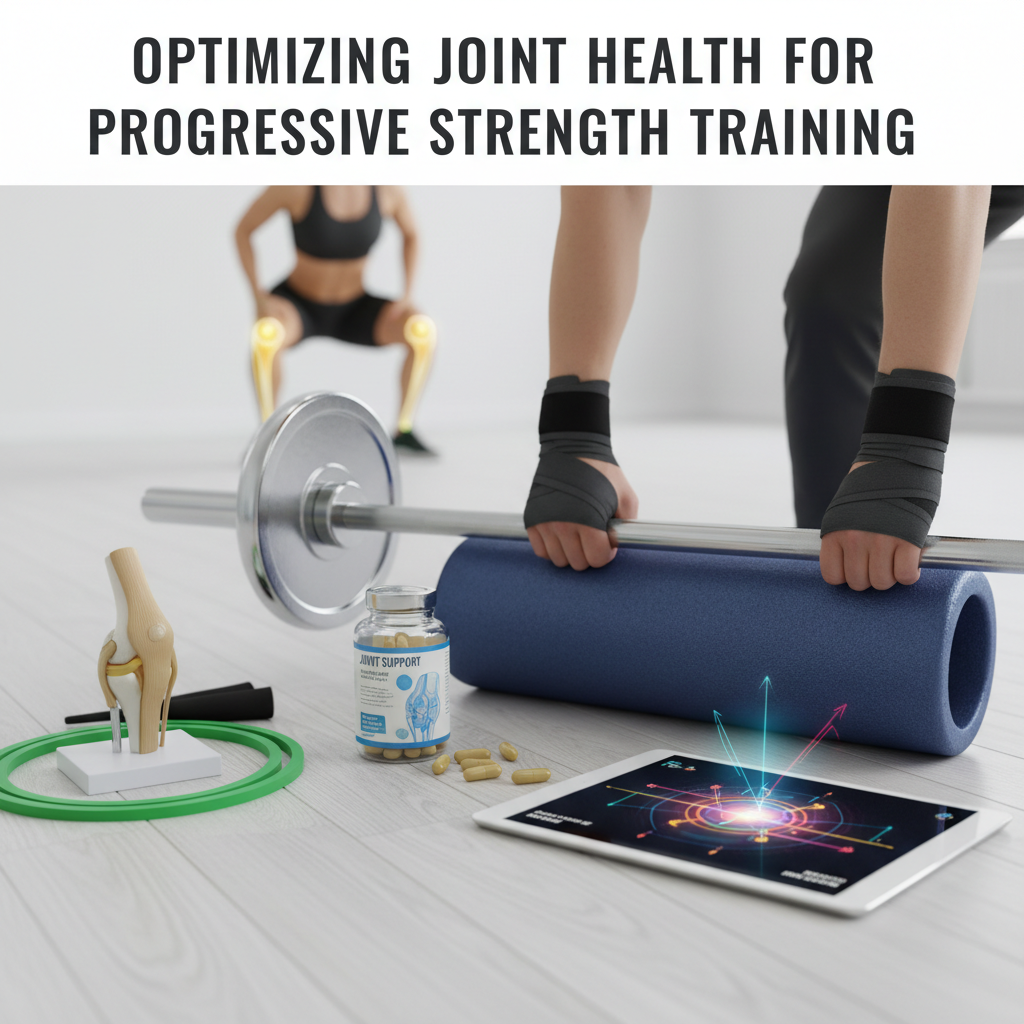
- Neglecting accessory work - mobility and posterior chain strength prevent imbalances and injury.
- Skipping warm-ups and hopping straight into heavy sets - that's how people tweak knees and backs.
How to know you're making progress
Progress shows up in three places: stronger numbers on the bar, better technique (smoother reps), and how you feel outside the gym (stairs feel easier, you're less winded carrying groceries). Track one objective lift number and one subjective note each session. You'll see patterns.
Look, progressive overload is like learning to drive a stick shift - awkward at first, then smooth, then you take off. The best part is - well, actually there are two best parts - you get stronger and you get healthier. If this feels overwhelming, our coaches can handle programming, technique checks, and recovery planning so you can focus on lifting and living.
Frequently Asked Questions
How fast should I increase weight? Increase only when you complete your target sets and reps with solid form. For most beginners that means adding 2.5 pounds to upper lifts or 5 pounds to lower lifts every 1 to 2 weeks, depending on how quickly you adapt. Slow and steady wins here.
Can progressive overload cause injury? Not if you follow safe rules: proper warm-up, form-first progression, small increments, and scheduled deloads. The real risk is rushing increases or ignoring pain signals. Pain that changes your movement pattern is a red flag.
How often should beginners train? Three full-body sessions per week is a reliable starter plan. That gives you enough frequency to practice lifts and recover between sessions. You can move to four days after you master basics and recovery improves.
What if I stall for several sessions? Try a light deload week, review technique (video or coach), improve sleep and nutrition, then return and reduce progression increments. If stall persists, substitute a variation of the lift (pause squat, tempo deadlift) to build weak links.
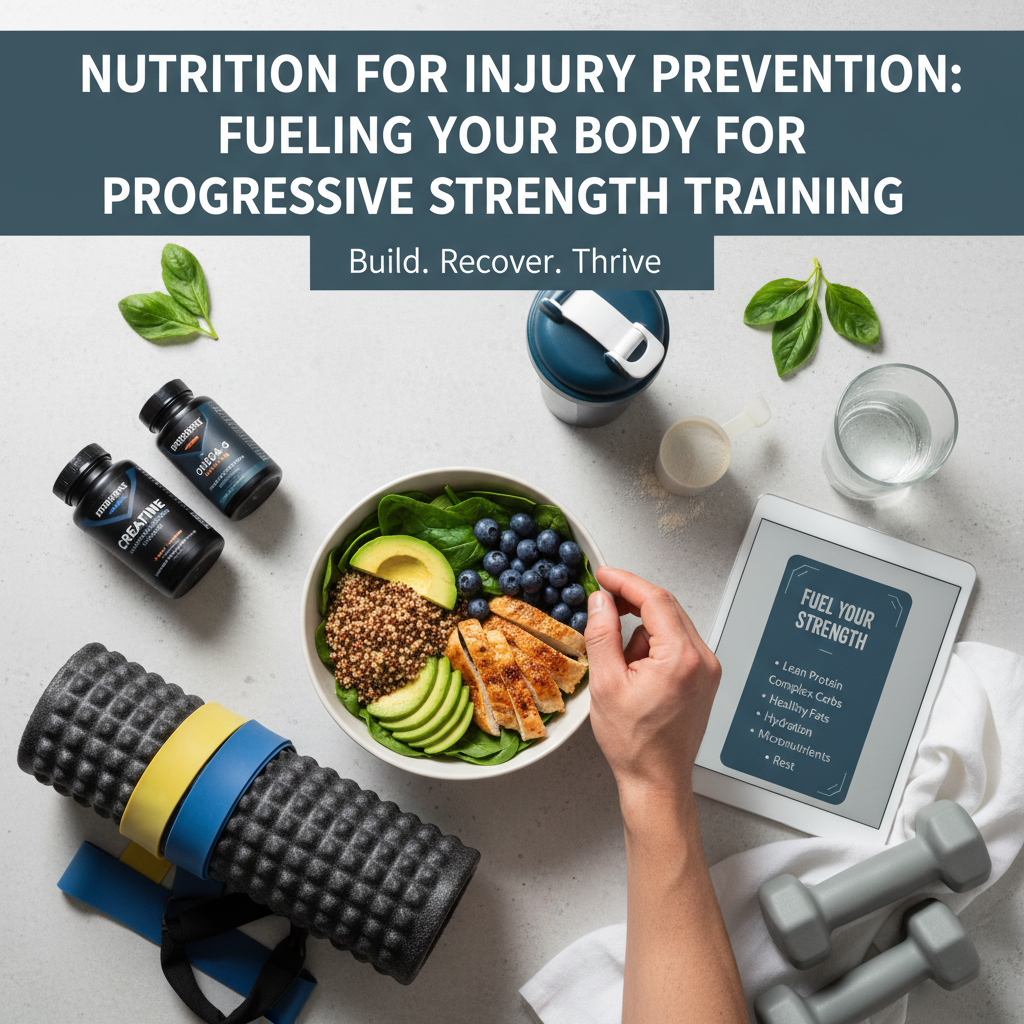
Can progressive overload help with fat loss? Yes. Progressive overload increases muscle mass, which raises daily calorie burn. Combine it with a modest calorie deficit and consistent protein intake, and you'll retain muscle while losing fat.