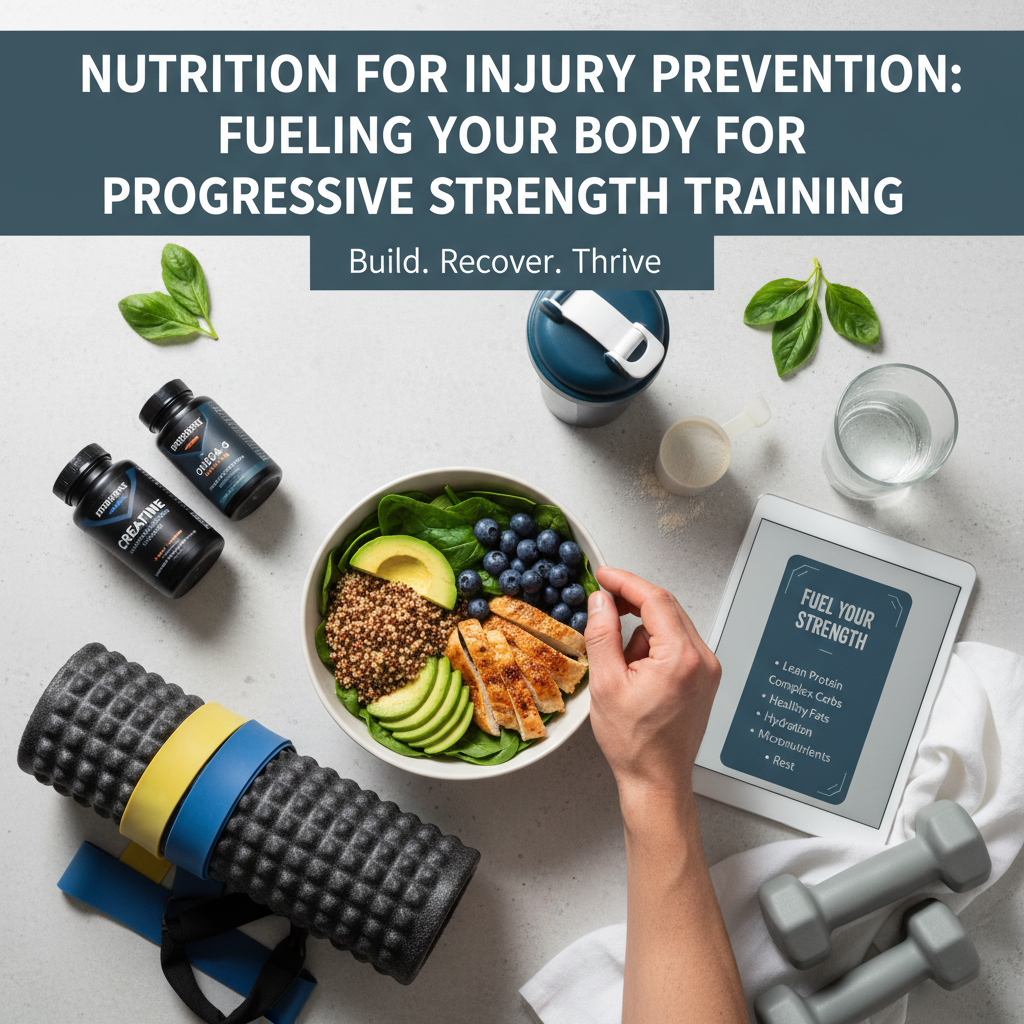
Nutrition for Injury Prevention: Fueling Your Body for Progressive Strength Training
For strength trainees and coaches who want to lift consistently without getting sidelined: you’re probably frustrated by recurring strains, slow progress, and the constant guessing about what to eat to stay healthy. You need clear nutrition steps that actually reduce injury risk and speed recovery, not another fad diet. Learn more about speed recovery. Our team helps athletes and lifters convert evidence-based nutrition into simple, daily actions that protect connective tissue, support progressive strength training, and keep you hitting PRs week after week.
Top 9 Nutrition Strategies for Injury Prevention and Progressive Strength Training
Below are practical, prioritized tactics you can apply this week. Short on time? Start with #1 and #4. Want the whole program? Read all nine.
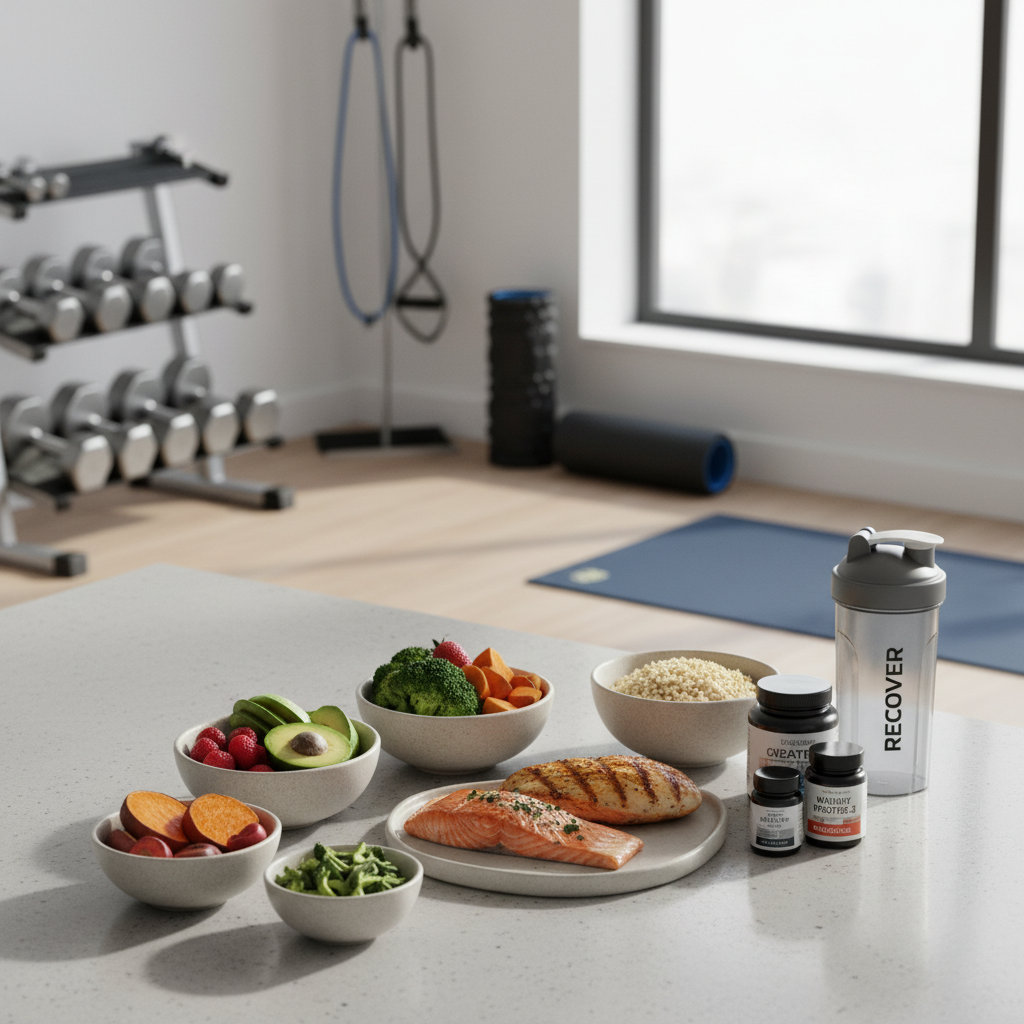
1. Prioritize protein for repair and strength
How much? Aim for 1.6 grams per kilogram of bodyweight daily if you’re training for strength, and up to 2.2 g/kg when in intense rebuilding phases (rehab, after surgery, or heavy progressive overload). Why? Protein provides amino acids that rebuild muscle and connective tissue (tendons, ligaments).
What to eat: 25 to 40 grams of high-quality protein per meal, spread across 3 to 5 meals. Think: chicken, eggs, Greek yogurt, tofu, whey or pea protein shakes. And yes, timing matters a bit - consume 20 to 40 grams of protein within 2 hours after your session to maximize synthesis.
2. Fuel workouts with targeted carbs
Why carbs? They spare protein from being used as fuel and maintain training intensity, which reduces poor movement patterns that cause injuries. Short and intense? 1 to 1.5 grams of carbs per kg in the 1 to 2 hours before a session. Longer sessions or two-a-day training? 3 to 5 g/kg daily.
Practical picks: white rice, potatoes, oats, bananas, sports drinks for long sessions. Post-workout carbs (40 to 80 g) paired with protein accelerate glycogen restoration and recovery.
3. Stay hydrated and replace electrolytes
Dehydration changes neuromuscular control and reflexes. Translation: you trip, you mis-step, you tweak something. So drink. A simple rule: monitor urine color (pale straw is ideal) and aim for 2.5 to 3.5 liters of fluid daily for most lifters, more if you sweat a lot.
Electrolytes matter for muscle contractions and cramp prevention. Consider a sports drink or electrolyte tablets during long sessions or when the temperature is high. And if you’re cutting weight, don’t skimp on sodium - that’s a quick way to wreck performance and recovery.
4. Manage total calories for sustainable progress
Too few calories and you can’t heal; too many and excess weight increases joint strain. For progressive strength training your daily calories should support a small surplus during hypertrophy phases (+200 to +350 calories) and a modest deficit for fat loss (-200 to -400 calories) while keeping protein high (again, 1.6-2.2 g/kg).
I've noticed athletes often cut calories hard and then blame their "bad knees." No - starving connective tissue of energy is the real reason.
5. Support connective tissue with collagen and vitamin C
Why this pairing? Collagen supplements (10 to 15 grams hydrolyzed collagen) plus 50 to 100 mg of vitamin C taken before loading sessions can enhance tendon and ligament collagen synthesis. The protocol: take the combo 30 to 60 minutes before heavy lifting or specific rehab exercises.
It’s not magic, but it's cheap, low risk, and I've seen it help folks regain load tolerance faster. Use it alongside progressive loading - not as a replacement for actual strength work.
6. Prioritize key micronutrients for recovery
Certain vitamins and minerals play outsized roles in tissue repair: vitamin D, calcium, magnesium, zinc, and vitamin C. Get a baseline blood test for vitamin D (25-OH D) - aim for 40 to 60 ng/mL for active lifters. If low, supplement smartly under guidance (for many people that's 1000 to 4000 IU/day, but check levels first).
Magnesium (200 to 400 mg at night) helps sleep and muscle relaxation. Zinc supports immune function and healing, 10 to 20 mg daily as needed. Eat varied real food - dairy, leafy greens, nuts, shellfish, citrus - it covers a lot.
7. Use anti-inflammatory foods without masking training signals
Chronic inflammation delays repair, but bluntly removing inflammation (like constant high-dose NSAIDs) can impair adaptation. So eat anti-inflammatory foods - fatty fish (2 servings per week), walnuts, berries, turmeric, leafy greens - while letting acute inflammation do its job after a workout.
And yes, I get it - pain management is real. If you’re relying on pills to train through sharp pain, stop. Pain is a signal, not an enemy.
8. Choose supplements that enhance strength and recovery
Not everything helps. Evidence-backed picks: creatine monohydrate (3 to 5 grams daily), whey protein to hit daily targets, fish oil (1 to 3 g EPA + DHA total), and vitamin D when deficient. Creatine improves power output and recovery between sets - basically free performance for most people.
Be wary of proprietary blends and mega-doses. Quality over hype. And check interactions if you're on medications.
9. Periodize nutrition with your training phases
Nutrition has to follow training. During heavy strength phases, push protein and calories slightly up, keep carbs timed around sessions, and prioritize sleep. During deload or rehab phases, maintain protein, drop training volume, but don't starve your body - keep calories sufficient for repair.
Think of food as the support crew that helps your workouts do their job. If you ignore that, you'll plateau or get injured—fast.
People Also Ask — Quick Answers
What should I eat to prevent sports injuries?
Eat a balanced diet with adequate protein (1.6-2.2 g/kg), carbohydrates timed around training, healthy fats (including omega-3s), and lots of colorful vegetables and fruits for micronutrients and antioxidants. Add collagen plus vitamin C before heavy sessions to support tendons.
How does nutrition speed up recovery after strength training?
Nutrition supplies the building blocks for repair - amino acids rebuild muscle, carbs refill glycogen, micronutrients repair tissue, and fluids restore cellular function. Timing protein and carbs after training maximizes muscle protein synthesis and reduces next-day soreness, so you bounce back quicker.
Which supplements help prevent injury?
Evidence supports creatine, fish oil, vitamin D when deficient, and targeted collagen with vitamin C for connective tissue. Protein powders are useful when whole-food intake is insufficient. Avoid relying on supplements alone; they complement a solid diet and program.
Quick checklist to implement this week
- Track protein for 3 days - hit 1.6 g/kg minimum.
- Plan carbs around your two hardest sessions each week.
- Drink water consistently - aim for pale urine.
- Add 10-15 g collagen + 50-100 mg vitamin C before heavy sessions.
- Get a vitamin D blood test if you train indoors a lot.
Look, nutrition won’t cure every issue. Strength programming, mobility, sleep, and load management also matter a lot. But feed your body right and you reduce risk, bounce back faster, and keep progressing without those annoying setbacks.
If this feels overwhelming, our team can handle it for you — we build nutrition plans that match your lifting program and injury history, and we adjust them as you get stronger. Want a simple starter plan tailored to your bodyweight and training schedule? Reach out and we'll put one together so you can stop guessing and start lifting smarter.