Overcoming Workout Plateaus: Strategies for Sustained Progress & Injury Prevention
This is for regular gym-goers and strength trainees who've stopped getting stronger or leaner and are frustrated by the same numbers on the bar each week — stuck in a workout plateau, worried about injury, and not sure whether to up the weight or rest more. You’re not alone, and the good news is we can help: our coaches break plateaus with evidence-backed progressive overload plans. Learn more about progressive overload plans, targeted injury prevention routines, and practical recovery strategies you can actually stick to (we’ll show examples you can use this week).
Why do you hit a workout plateau?
Plateaus happen because your body adapts to what you ask it to do. Simple. But there’s a lot that can cause that adaptation to look like stagnation.
- Training adaptation - you've been doing the same sets, reps, and loads for months.
- Insufficient progressive overload - not enough progressive stress on muscles and nervous system.
- Poor recovery - bad sleep, low calories, or chronic stress blunt gains.
- Technique issues - inefficient movement patterns limit how much load you can safely add.
- Undetected injury or pain - protective movement reduces force output.
I've noticed clients often miss the recovery side (90% of the time) — they pile on volume and wonder why nothing changes... and then complain about a sore knee.
How does progressive overload break plateaus?
Progressive overload means gradually increasing the demand on your muscles so they must adapt. That’s literally how strength and size happen.
There are five practical ways to apply progressive overload:
- Increase load - add 2.5 to 5 pounds each week to key lifts (microloading).
- Increase reps - push from 6 to 8 reps at the same weight, then add weight.
- Increase sets - add one extra working set for your main lifts.
- Change tempo - slow the eccentric (4 seconds down) to increase time under tension.
- Reduce rest - shorten rest intervals from 180 seconds to 90 seconds to raise density.
How? Simple. Pick one variable and change it deliberately for 4 weeks. Don't change everything at once.
Sample 4-week progressive overload plan for squats
Follow this if you squat twice per week and your current working set is 3 sets of 5 reps at 75% of your 1RM.
- Week 1: 3x5 @ 75% (add 2.5 lb to bar on last set)
- Week 2: 3x6 @ 75% (add 2.5 lb if all reps completed)
- Week 3: 4x5 @ 77.5% (add one set, keep reps manageable)
- Week 4: 3x5 @ 80% (test a new top set; use microloads)
Small, specific, measurable changes. That’s how you consistently beat plateaus.
Strength training strategies beyond progressive overload
Progressive overload is necessary but not sufficient. You also need a plan structure that prevents burn-out and overuse.
- Periodization - plan a 3-month cycle with built-in easier weeks (deloads).
- Exercise variation - swap front squats for paused back squats for 4 weeks to address sticking points.
- Accessory work - add 3 sets of 10 for glute-ham rows, Romanian deadlifts, and single-leg work.
- Technique focus - film lifts once per week and fix one cue only (hip hinge, knee tracking).
- Use RPE - aim for RPE 7 to 9 on main sets so you're not leaving too much or pushing too hard.
Look, you can’t endlessly chase PRs without a plan. That's kind of like driving a Ferrari in first gear.
How to prevent injury while pushing progress
Pushing progress and staying healthy go hand in hand if you respect volume, intensity, and movement quality.
- Warm-up: 5 minutes cardio (light), 6-8 minutes dynamic mobility, 2 warm-up sets before heavy triples.
- Progress in small steps: add 2.5 to 5 pounds per week on compound lifts, not 25 pounds.
- Deload every 4th week: reduce load by 40% and volume by 30% (active recovery week).
- Prioritize sleep and protein - more below - these speed tissue repair and reduce injury risk.
- If an exercise causes sharp pain, stop and swap to a pain-free variant (pain is a red flag, not a challenge).
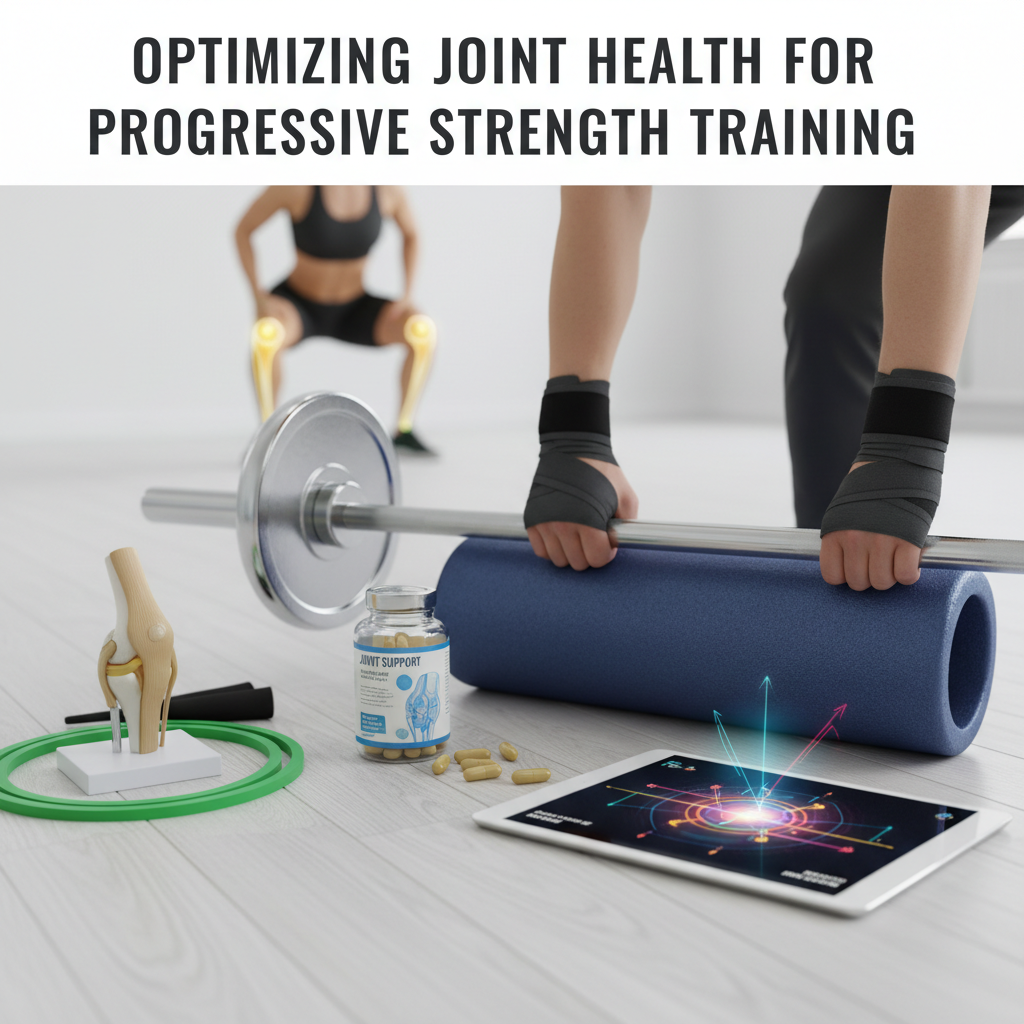
And use prehab. It's boring, but it works.
Simple 8-minute prehab routine (do 3x per week)
- 1. Banded glute bridges - 2 sets of 15
- 2. Thoracic rotations - 2 sets of 10 each side
- 3. Cossack squats - 2 sets of 8 each side
- 4. Face pulls - 3 sets of 12 (light)
- 5. Dead bug core - 3 sets of 10 per side
Do these before strength sessions or on off days. Your joints will thank you.
Recovery and lifestyle factors that actually move the needle
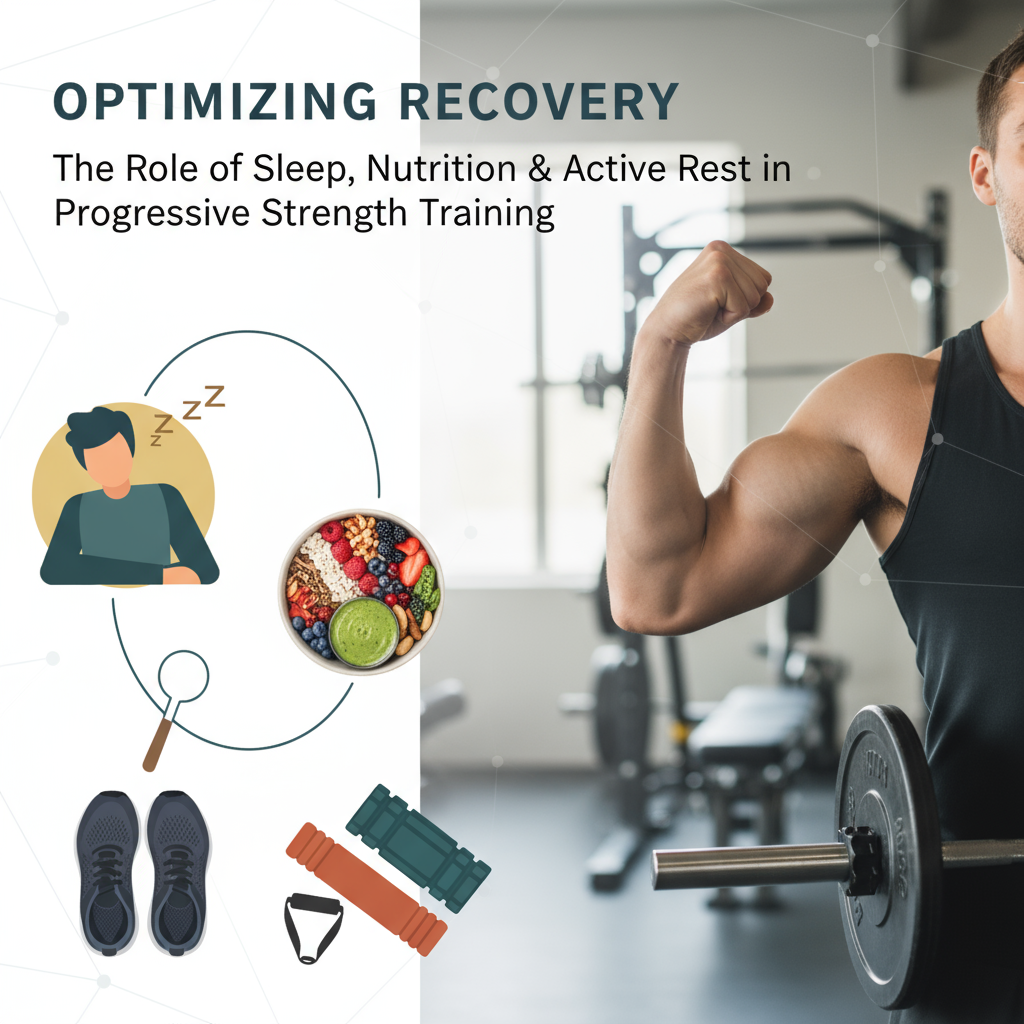
Strength training is 1 part stress, 3 parts recovery, roughly. Not scientific, but you get the idea.
- Sleep: aim for 7 hours and 30 minutes minimum each night (set a wind-down alarm).
- Protein: eat 0.8 grams per pound of body weight daily (so a 180 lb person eats 144 grams).
- Calories: if you want size, add 250 calories per day; if you want fat loss and strength, keep protein high and create a small deficit.
- Hydration: sip water consistently - even small dehydration reduces performance.
- Stress management: 15 minutes of focused breathing or a walk helps recovery and reduces cortisol.
How long until you break a plateau?
Expect to see changes in 4 weeks if you apply a targeted progressive overload plan and fix recovery mistakes. Noticeable strength gains usually arrive by 12 weeks if you stick to a consistent, progressive program.
Why? Because neuromuscular adaptations happen first (4 weeks), then muscle hypertrophy follows (8 to 12 weeks). So be patient, but be deliberate.
Quick fitness tips to avoid future plateaus
- Track workouts: log weight, sets, reps every session. If it’s not recorded, it didn’t happen.
- Rotate main lifts every 6 to 12 weeks to avoid adaptation.
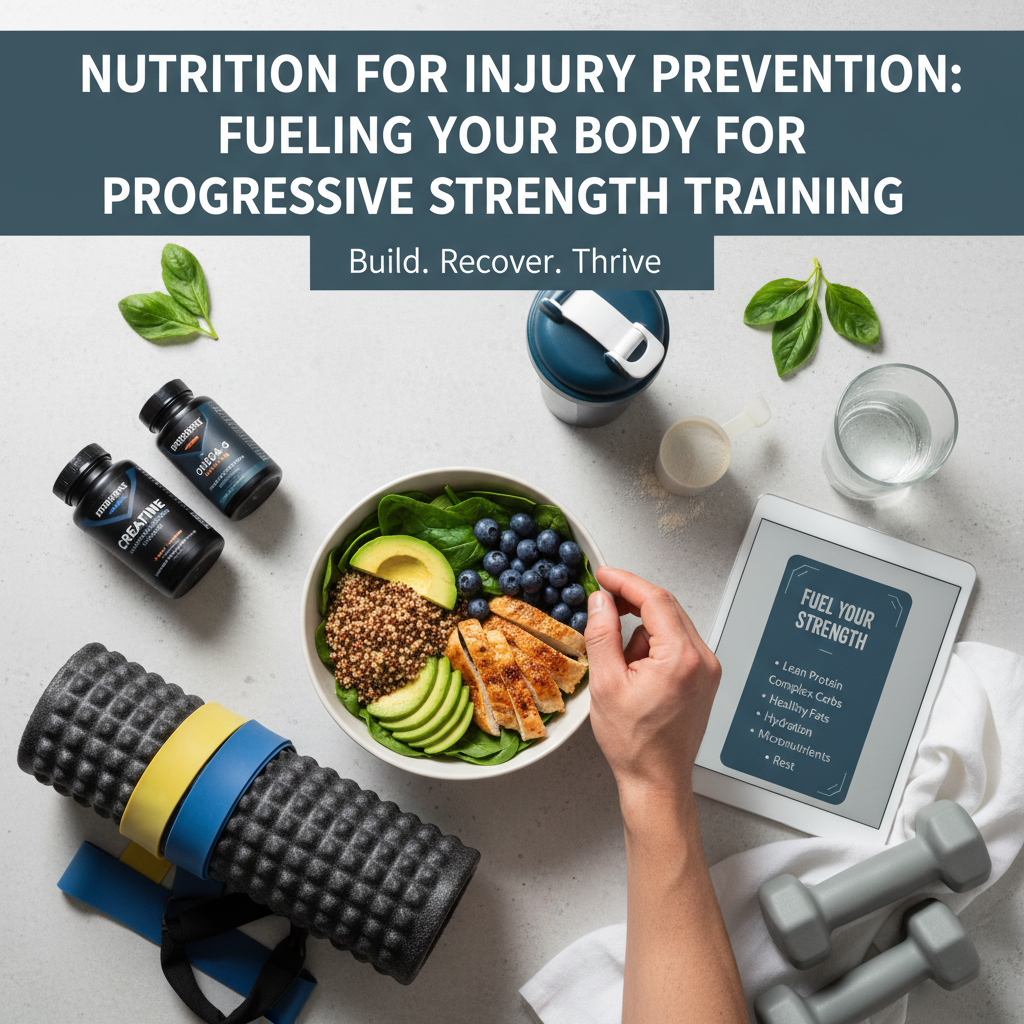
- Recover like an athlete: prioritize sleep, protein, and mobility.
- Use microloading: 2.5 lb is your friend for upper body and 5 lb for lower body.
- Deload regularly so you can actually get stronger, not just feel stronger for a week.
If this feels overwhelming, our coaching team can build a 12-week cycle with progressive overload and injury-prevention built in (we monitor form and adjust in real time). No pressure, just a plan that works.
Frequently Asked Questions
How do I know if I'm actually at a plateau?
If you can't add weight, reps, or sets for 3 to 4 consecutive weeks on a given lift despite consistent training and recovery, that's a plateau. Other signs include persistent fatigue, declining motivation, and recurring niggles.
Can cardio cause strength plateaus?
Yes, excessive high-volume cardio can interfere with strength gains if you don't eat enough or schedule it poorly. Do your cardio after strength sessions or on different days, and keep volume moderate if your priority is strength.
How often should I deload?
Every 3rd or 4th week is a practical rule: reduce load by about 40% and keep sessions short. You can adjust based on how you feel — if you're wiped out, deload earlier.
Is progressive overload safe for beginners?
Absolutely. Beginners can make rapid gains with simple, steady progression and focus on technique. Start with two full-body sessions per week, add 2.5 to 5 pounds per week on compound lifts, and make technique the priority.